Buy an amount you can finish
Estimate how much coffee you use in an ordinary week before choosing a bag size. A 20-gram daily dose uses 140 grams in seven days. Smaller purchases make comparisons easier and reduce the amount sitting open. Choose an amount that suits your routine rather than a universal freshness deadline.
Keep the original bag useful
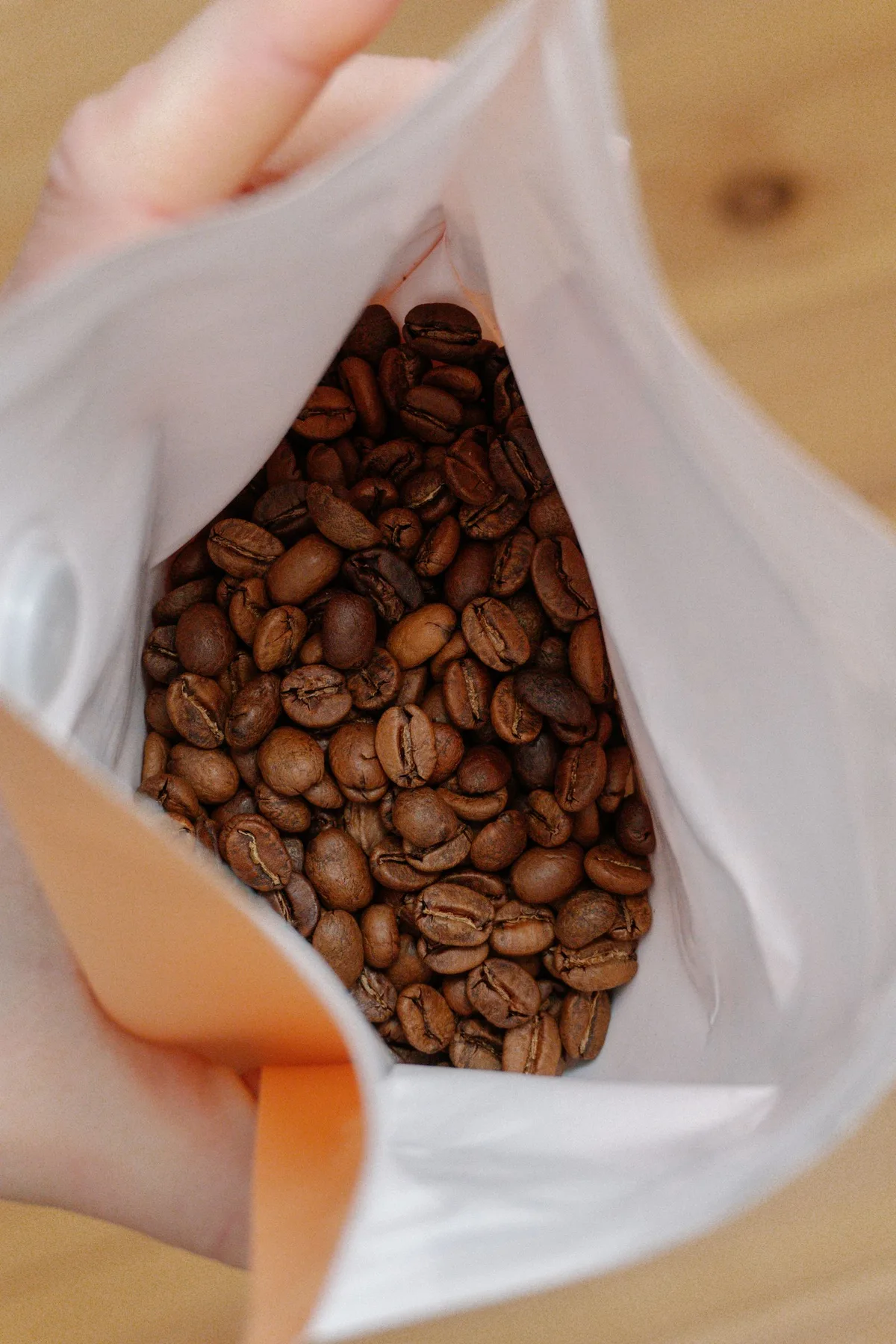
A sturdy coffee bag with a working closure can be a practical storage container. Close it securely after each use, pressing out excess air gently without damaging the bag. If the closure no longer seals, place the bag inside a clean, dry airtight container and retain its coffee details.
Avoid heat and direct light
Choose a spot away from a sunny window, the oven and the heat of a coffee machine. A shelf above a kettle may be exposed to warmth and steam each day. Stable, ordinary cupboard conditions are easier to manage than a display jar that spends its time in sunlight.
Choose a dry cupboard
Keep beans away from moisture and strong-smelling foods. Use a clean, dry scoop and close the container promptly. The refrigerator can introduce condensation and odours when a bag is opened repeatedly, so a dry cupboard is usually a more convenient place for the portion you are using daily.
Freeze only with a plan
If freezing beans suits your routine, divide them into well-sealed portions before freezing and label each one. Take out only the portion you need. Let a sealed portion reach room temperature before opening to limit condensation on the beans. Avoid repeatedly warming and refreezing the same open supply.
Let taste guide the next purchase
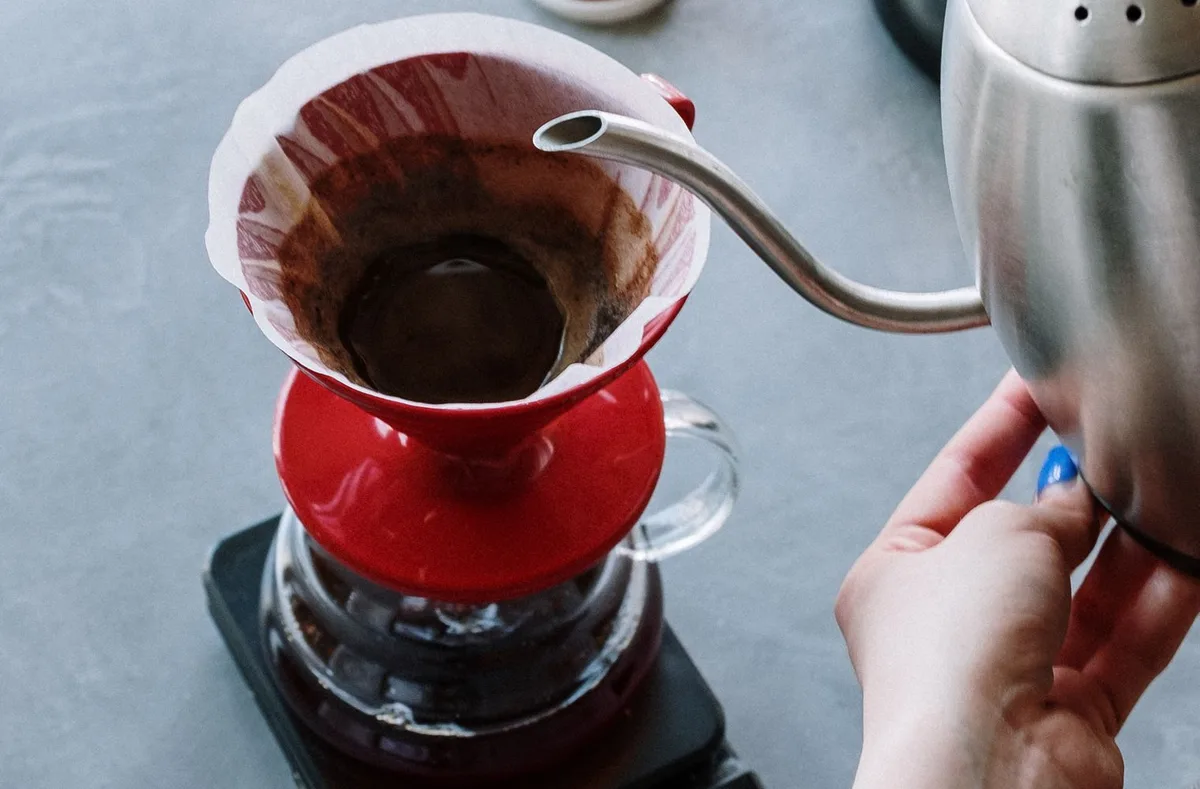
Brew a familiar recipe and notice how the coffee changes as you work through the bag. If later cups seem less aromatic to you, buy a smaller quantity next time or improve the seal. The aim is a sensible buying and storage routine that fits your actual drinking habits.
Back to the journal