Read the bag
Start with the roast date, the bag size and any brewing suggestions. Tasting notes describe an impression, not added ingredients, unless the label says otherwise. A note such as cocoa or peach can help you choose a direction without promising exactly what your cup will taste like.
Notice origin and processing
An origin names where the coffee was grown. Processing describes how the fruit was removed and the seeds were prepared for drying. These details can suggest useful comparisons, but weather, roasting and brewing also affect flavour. Try two coffees side by side before forming a firm preference.
Compare blends and single origins
A blend combines coffees to create a particular flavour balance. A single origin narrows the place of production, although the size of that place varies. Neither label guarantees a better cup. Choose a blend for a familiar profile or explore an origin when you want a closer comparison.
Start with a modest quantity
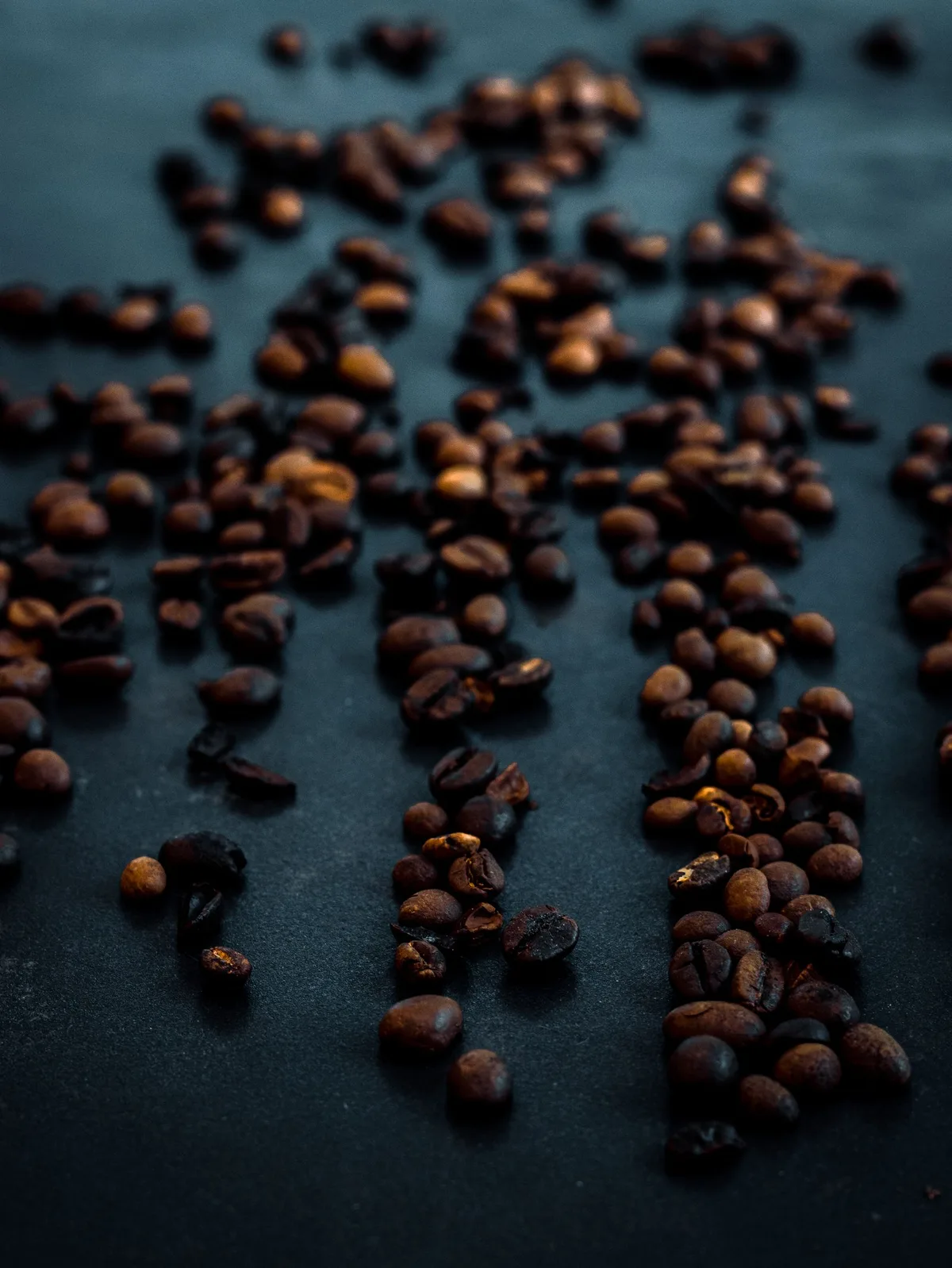
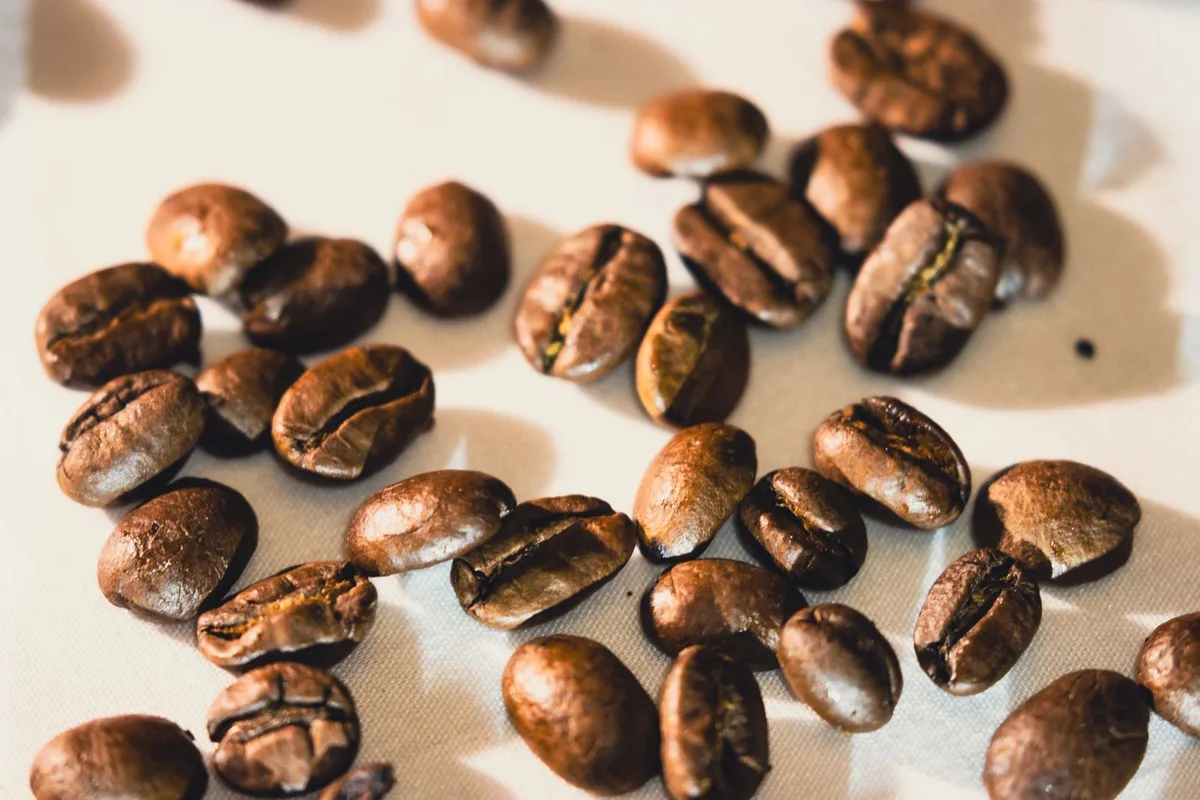
Buy a bag that fits how often you brew, especially when trying an unfamiliar coffee. Whole beans give you flexibility if you own a suitable grinder. If you buy ground coffee, name your brewing method so the grind is a practical starting point for your equipment.
Taste before changing everything
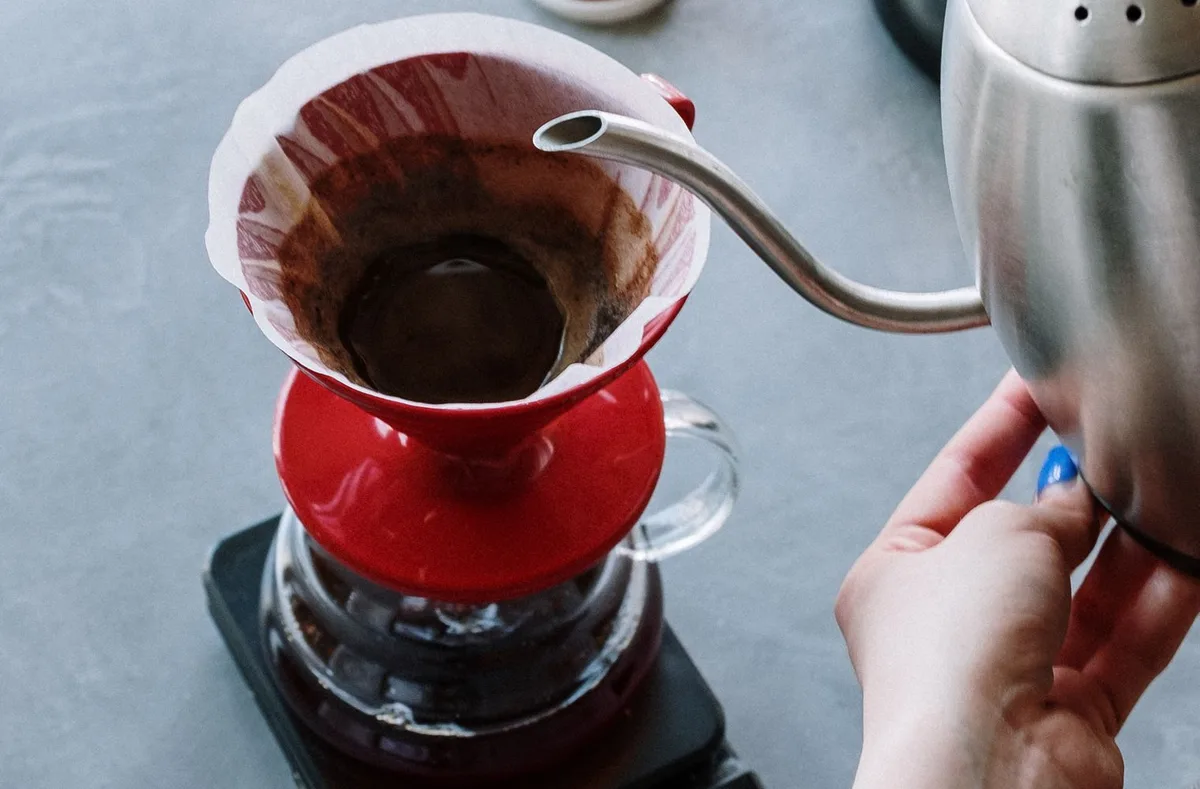
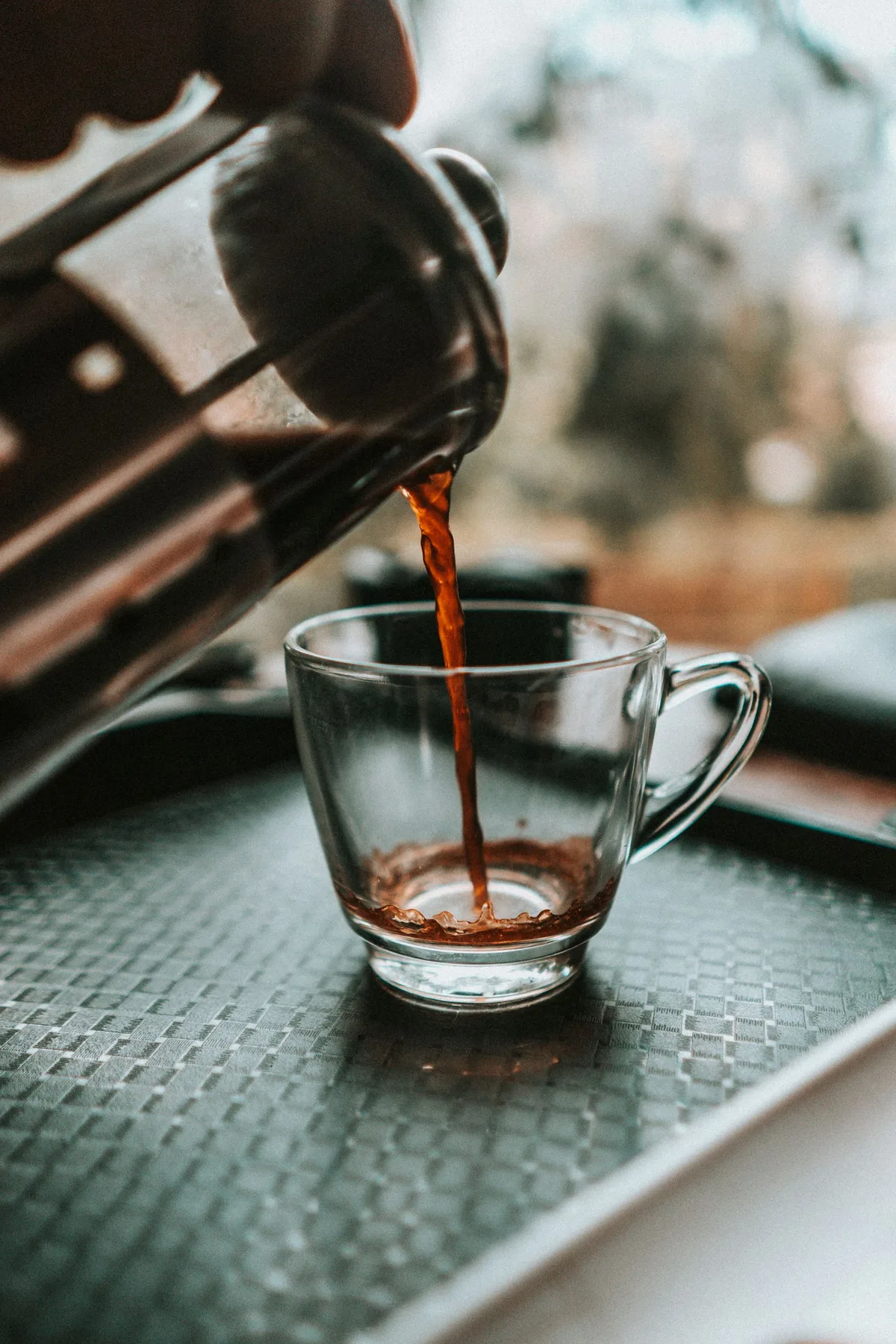
Use a familiar recipe for the first brew. Let the cup cool a little and notice its aroma, texture and finish. If something seems sharp, dry or weak, write that down before changing the grind, dose or water. One measured adjustment makes the next comparison easier to understand.
Keep a simple note
Record the coffee name, roast date if available, brewing method and one short taste impression. Add the amount of coffee and water when a cup works well. A few ordinary words, such as rounded, fruity or too smoky, are more useful than a long list you never revisit.
Back to the journal