Treat colour as a clue
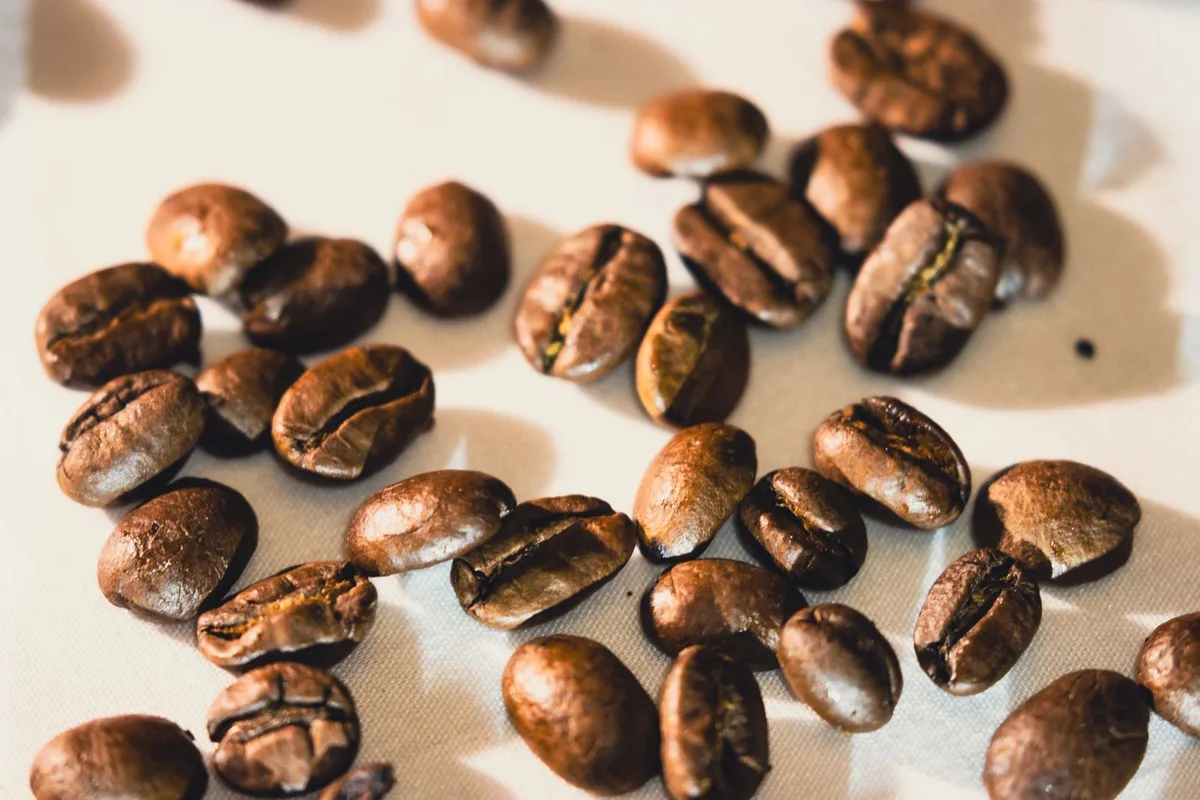
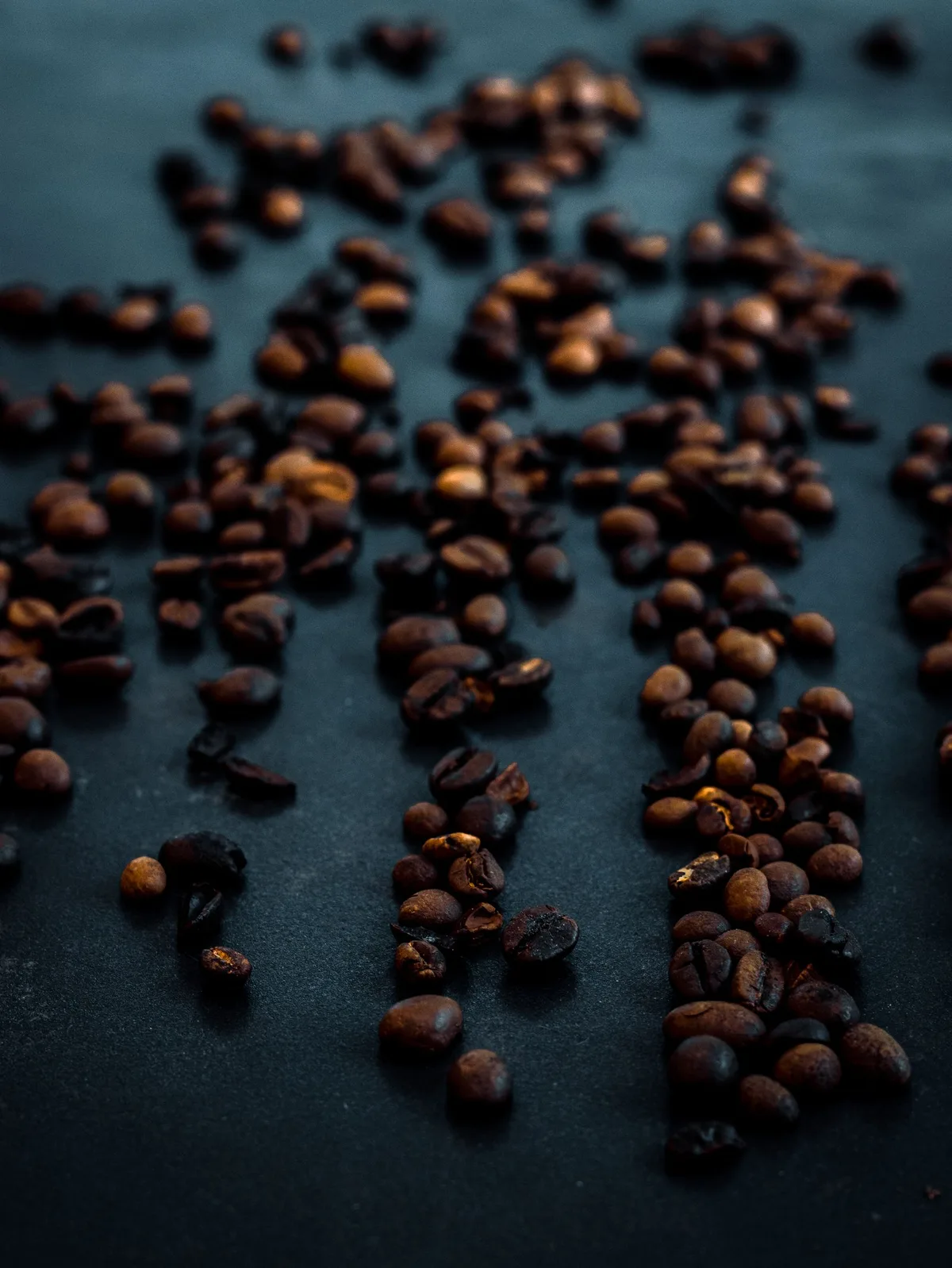
Lighter and darker beans offer a rough clue to roasting style. Colour alone cannot tell you how a coffee will taste, and labels differ between roasters. Look at the description alongside the beans. Compare cups brewed in a similar way before deciding what a roast level means to you.
Look beyond strength labels
Words such as strong or intense often describe flavour, roast character or a suggested serving style. They do not give a dependable measure of caffeine. If your cup tastes too concentrated, adjust the amount of water or coffee rather than assuming a darker label is the answer.
Compare familiar flavours
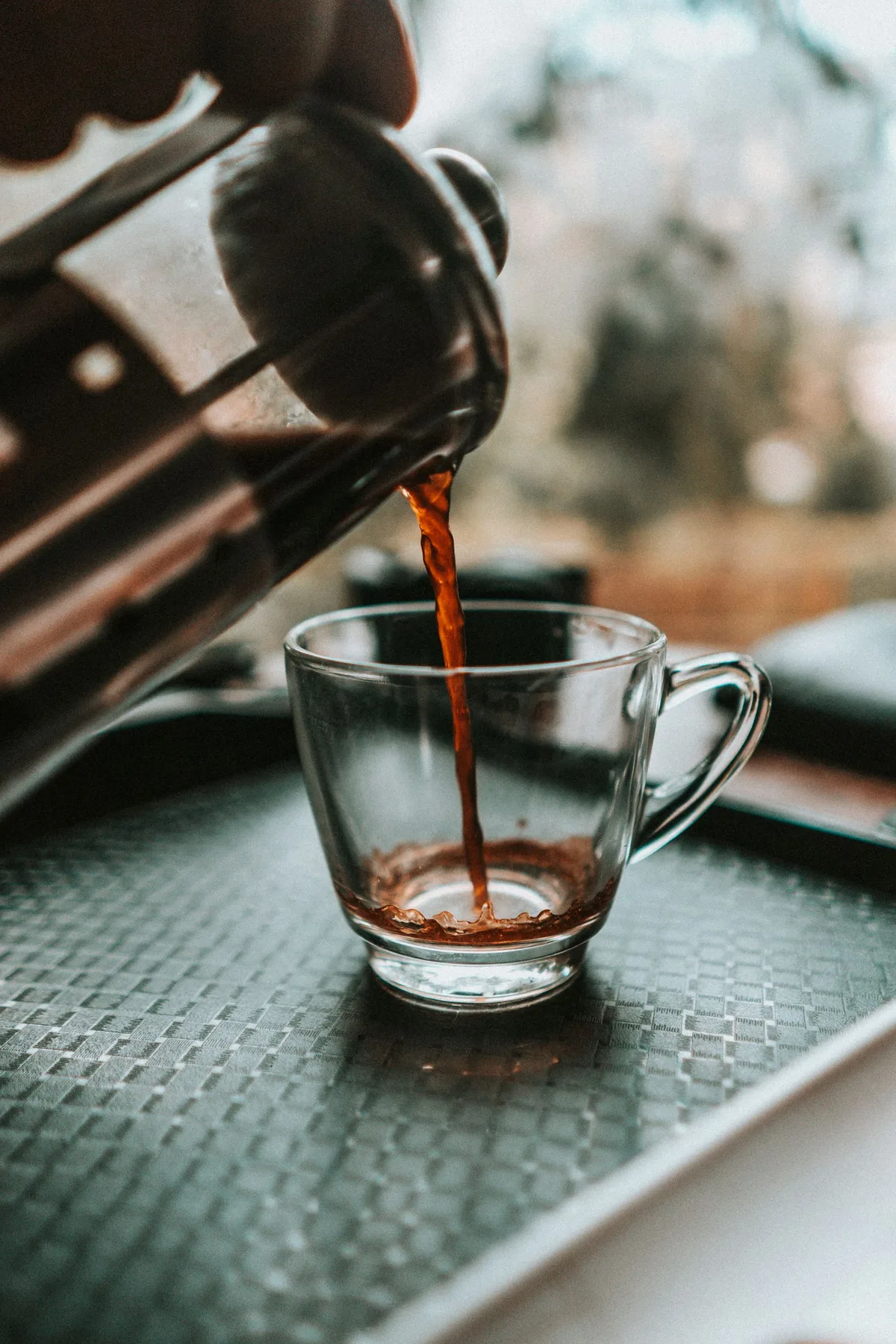
Think about flavours you already enjoy. A darker roast may bring toasted or bitter notes, while a lighter roast may make fruit-like sharpness easier to notice. These are tendencies, not rules. Taste without sugar or milk first if convenient, then prepare the drink you usually enjoy.
Match the roast to the method
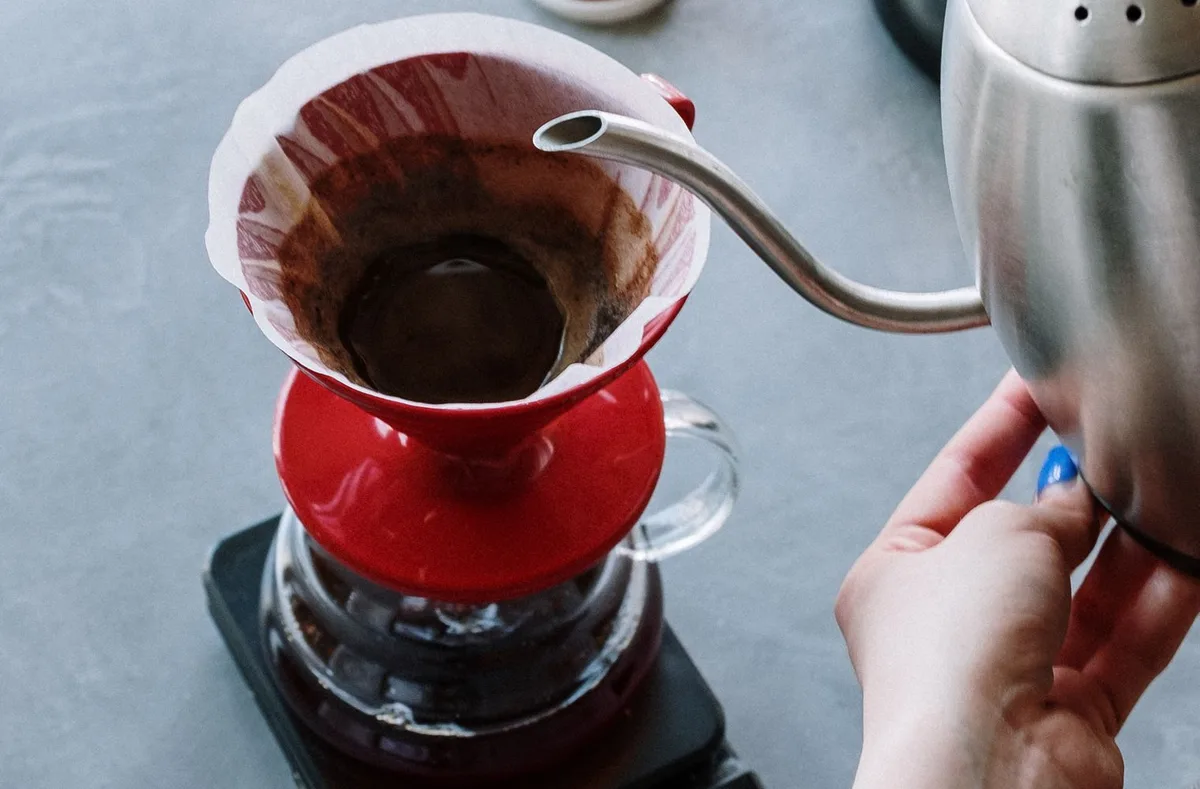
Any roast can be explored with different brewers, but the recipe may need adjustment. A coffee that seems dry in a long extraction might suit a gentler approach. Begin with your usual method and the bag’s guidance, then change the grind or water temperature in a small step.
Change one variable at a time
Keep the same coffee dose and water amount while testing a grind change. For example, use 20 grams of coffee and 320 grams of water for a 1:16 starting ratio. Compare the finished cups at a similar temperature so your notes reflect the adjustment more clearly.
Choose by your own preference
You do not need to prefer the lightest roast or learn to enjoy a flavour you dislike. Consider the cup you want on an ordinary morning, including any milk you add. Keep the roast that suits that moment, and use a smaller bag when curiosity takes you elsewhere.
Back to the journal