Match the grinder to the method
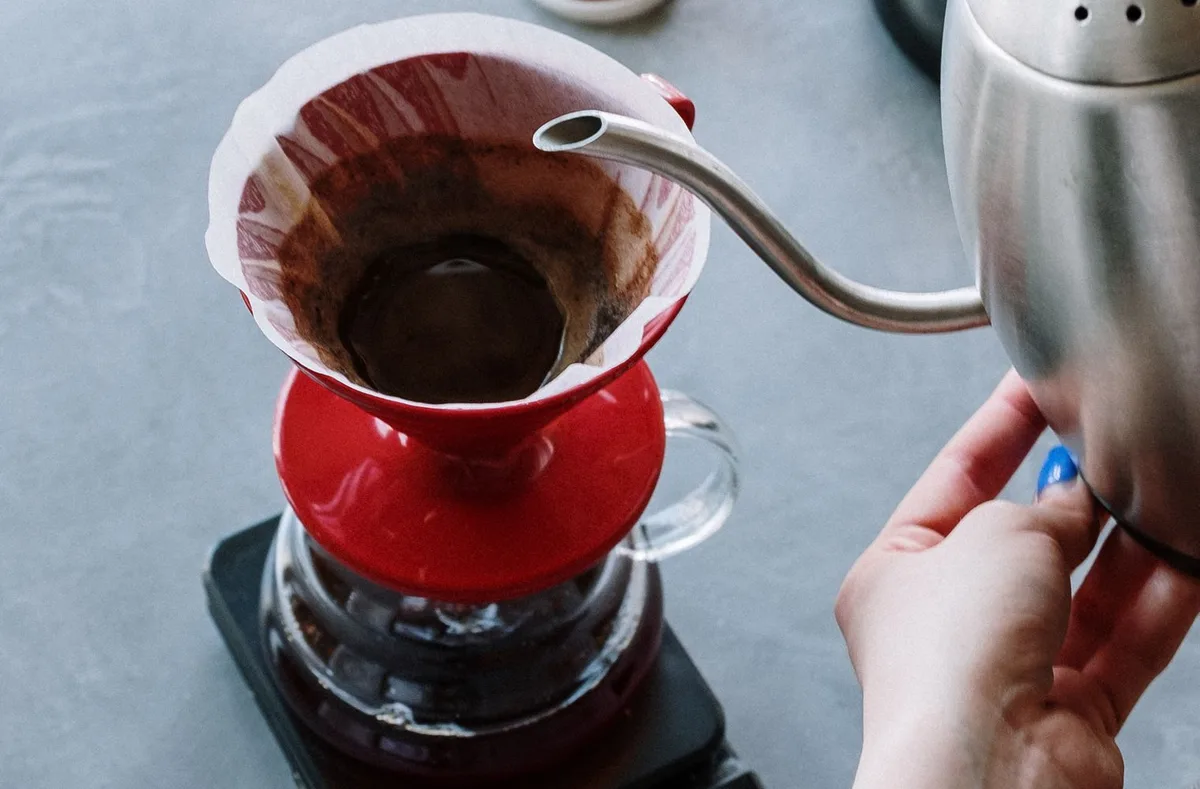
Check that your grinder supports the brewing method you want to use. A filter brewer, French press and espresso machine ask different things of a grind. Begin within the equipment’s suggested range. Setting numbers are local to each grinder, so another person’s number may not translate to yours.
Notice particle consistency
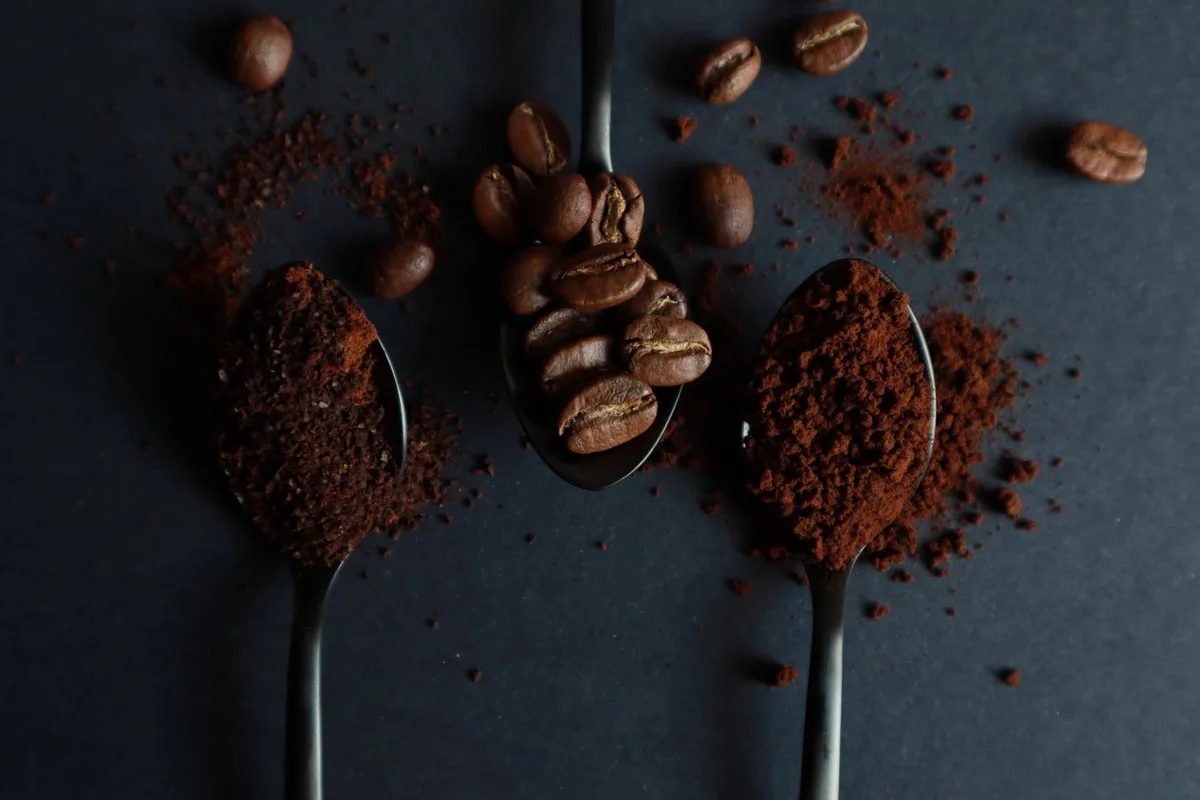
Spread a small sample on a clean surface and look at the mix of larger pieces and fine dust. Every grinder produces some variation. Large differences can affect how water moves through coffee and how much sediment reaches the cup. Use this observation alongside taste, rather than judging appearance alone.
Taste before judging speed
A fast brew is not automatically weak, and a slow one is not automatically better extracted. The filter, dose and pouring style also affect flow. Taste the finished coffee after it cools slightly, then connect any sharpness, dryness or satisfying balance with the timing you observed.
Change a small step
Move the setting a small amount and follow the grinder’s instructions about when adjustments should be made. Some mechanisms require a particular procedure. Brew again with the same coffee and water amounts. If the change helps, keep it; if it makes the cup less enjoyable, return to your previous setting.
Keep the dose steady
Use the same coffee dose, water amount and brewing routine while testing grind size. A starting recipe of 20 grams of coffee and 320 grams of water keeps the ratio at 1:16. Changing the dose at the same time makes it harder to know which adjustment affected your cup.
Record the useful setting
Write down the grinder, setting, coffee and brewing method when you find a cup you like. Include one taste note and the water amount. Different beans or a later bag may need a small adjustment, so treat the note as a reliable place to begin rather than a permanent rule.
Back to the journal